
Understanding the psychological triggers behind gambling behavior
The Allure of Risk and Reward
Gambling behavior is often driven by the psychological thrill associated with risk-taking. Many individuals are naturally attracted to the excitement of potentially winning large sums of money, which can lead to an adrenaline rush that keeps them returning for more. This thrill-seeking behavior taps into the brain’s reward system, where the anticipation of a win triggers the release of dopamine, creating feelings of pleasure and reinforcing the desire to gamble. Additionally, players may be drawn to a chicken road casino game from [provider] as they explore different avenues for that rewarding experience.

This interplay of risk and reward can create a cycle where the excitement of gambling overshadows the potential financial consequences. The allure of a big win can often outweigh the reality of losses, leading individuals to chase their losses or continue playing in hopes of that next big payout. Understanding this psychological mechanism is crucial in recognizing how it fuels persistent gambling behavior.
Illusion of Control
A common psychological trigger in gambling is the illusion of control. Gamblers often believe they can influence the outcome of games through their choices or strategies, despite the inherent randomness of most gambling activities. This misconception can lead individuals to engage in more gambling than they might otherwise, as they feel empowered by their perceived ability to control the odds.
This illusion can be particularly strong in games that involve skill, like poker or blackjack, where players may attribute their success to their abilities rather than chance. This false sense of control enhances the enjoyment of gambling, making it more difficult for individuals to recognize when their gambling behavior becomes problematic.
Social Influence and Environment
The social environment also plays a significant role in gambling behavior. Friends and family members who gamble can normalize the activity, making it seem like a more acceptable or fun choice. Social interactions in casinos or online gaming platforms can create an atmosphere that encourages participation and can often amplify the desire to gamble.
Moreover, the presence of social rewards—such as camaraderie or shared experiences—can further entice individuals to engage in gambling. The combination of social reinforcement and the excitement of the game can create a compelling reason to continue gambling, sometimes blurring the lines between casual play and compulsive behavior.
Emotional Escapism
For many individuals, gambling serves as a form of emotional escapism. When faced with stress, anxiety, or other negative emotions, some turn to gambling as a way to alleviate their feelings. The immersive nature of gambling can provide a temporary distraction from life’s challenges, allowing individuals to focus solely on the game.
This form of coping can be particularly dangerous, as it may lead individuals to gamble more during times of emotional turmoil. Instead of addressing their feelings directly, they may rely on gambling to provide a short-term escape, which can ultimately lead to deeper psychological issues and financial difficulties.
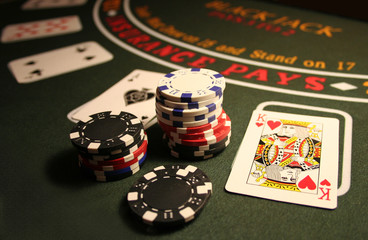
Explore Exciting Gambling Opportunities
If you’re interested in exploring the world of gambling, there are many opportunities available, from traditional casinos to online gaming platforms. Understanding the psychological triggers behind gambling behavior can help you navigate this thrilling landscape responsibly. Remember to set limits and be aware of your motivations when you engage in gambling activities.
With various games and betting options, the excitement of gambling can be a fun and rewarding experience when approached with caution and mindfulness. Always prioritize your well-being and play responsibly as you enjoy the thrill of the game.

