
The Influence of Emotions on Game Selection
Emotions play a pivotal role in shaping an individual’s choice of casino games. The thrill associated with high-stakes gambling often attracts players to games like poker and blackjack, where strategic decision-making intertwines with emotional highs and lows. Many players find that they can discover more insights about these choices by visiting us here, which helps them choose not only for potential financial gain but also for the emotional experience they provide, such as excitement, stress relief, or even a sense of community.

Conversely, some may prefer games that evoke a sense of nostalgia or comfort, such as classic slots or roulette. These games can trigger fond memories or offer a familiar routine, providing a psychological balance to the unpredictability of chance. Understanding this emotional connection can help casinos tailor their environments and marketing strategies to better cater to their audience.
Risk-Taking Behavior and Game Preference
Risk-taking behavior is another significant psychological factor influencing game choices in casinos. Individuals who possess a higher propensity for risk are often drawn to games with higher variance, such as baccarat or high-stakes poker, where the potential for significant wins is coupled with greater losses. This thrill of uncertainty can be irresistible for some, culminating in a deeper engagement with these games.
On the other hand, players who are more risk-averse may gravitate towards lower-stakes games or those with more predictable outcomes, such as blackjack with a clear strategy. Understanding the diverse range of risk profiles among players allows casinos to tailor their offerings and create a more personalized experience, fostering loyalty and enhancing player satisfaction.
The Impact of Social Dynamics in Game Choices
The social context within which individuals gamble significantly influences their choice of games. Many players enjoy the communal aspect of games like craps or poker, where interaction with other participants enhances their overall experience. This social dynamic can create a sense of belonging and camaraderie, making these games more appealing to those looking for social engagement as part of their gambling experience.
Conversely, solitary players may prefer games like slots, where the focus is inward and the player can enjoy the experience independently. Understanding how social interactions affect game choice can help casinos design environments that facilitate both social and solitary experiences, catering to a broader audience.
Cognitive Biases and Their Effects on Game Selection
Cognitive biases significantly impact how players perceive their chances of winning and, consequently, the games they choose. For instance, the illusion of control bias leads some players to believe that they can influence the outcome of games that are fundamentally based on chance, such as slots. This belief often drives them to select these games, despite their random nature.
Additionally, the availability heuristic may cause players to favor games they have recently seen others win, reinforcing their belief in the game’s potential for payout. Understanding these cognitive biases can help casinos better educate their customers and potentially reshape their marketing tactics to set more realistic expectations about game outcomes.
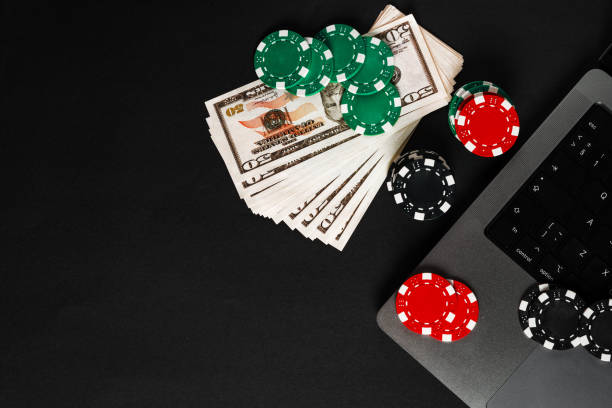
Your Resource for Casino Insights and Game Choices
For those intrigued by the psychological factors that determine casino game choices, our website serves as a valuable resource. We provide in-depth analyses and insights into various casino games, exploring not just the mechanics but also the underlying psychological principles that govern player behavior.
By understanding the psychology behind game selection, players can make more informed decisions about where to spend their time and money. Our commitment to delivering comprehensive information ensures that you have the knowledge needed to enhance your casino experience, whether you are seeking excitement, social interaction, or strategic challenge in your gaming choices.

